
2026-10-18 ·
Roof Leaks, Flashing, and Gutters: Common Repair Issues in Jonesboro, AR
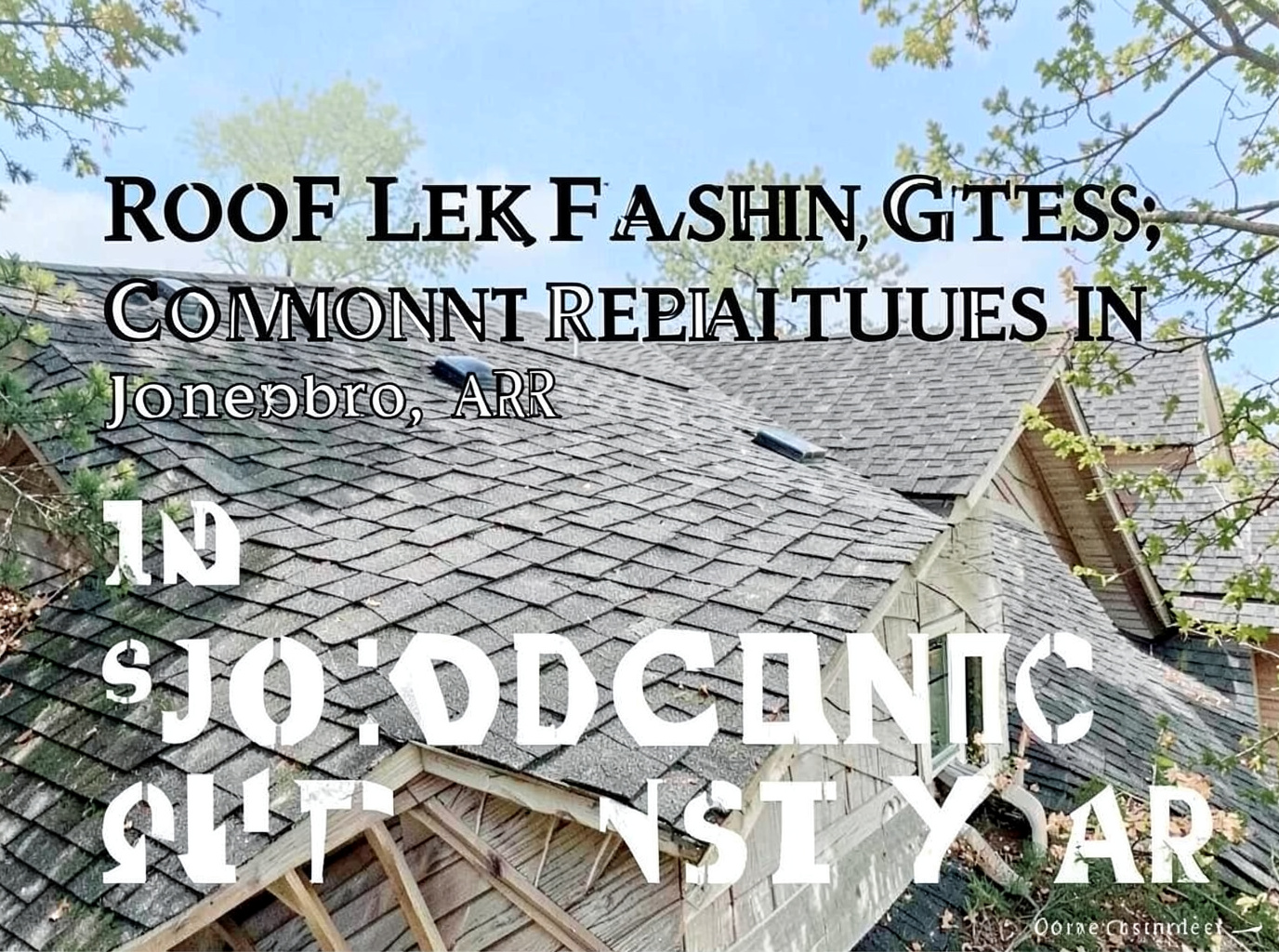
Roof leaks in Jonesboro often start at pipe boots, valley intersections, and chimney bases while flashing pulls away after 8–12 years and gutters overflow during spring downpours that drop 4–6 inches in a single event.
Common Roof Leak Sources in Craighead County
Homes built before 1990 in Downtown Jonesboro and West Jonesboro typically carry asphalt shingles that have seen multiple heat cycles above 95°F. These cycles loosen sealant around plumbing vents and skylights, allowing water to enter during the frequent afternoon thunderstorms that hit Craighead County from April through June. University Heights properties near Arkansas State University often show leaks where additions meet the original roof plane because the transition was never properly stepped. Checking these points twice a year prevents interior damage that can appear weeks after the rain stops. When leaks are found early, targeted roof leak repair restores the seal without full replacement.
Flashing Failures Around Vents and Chimneys
Metal flashing on Jonesboro roofs expands and contracts with daily temperature swings of 30°F or more, even in mild winters. Step flashing along sidewalls and counter flashing at chimneys eventually cracks or loses its hold, especially on homes near Craighead Forest Park where tree shade keeps shingles damp longer. Valleys that carry runoff from large roof planes see the most movement. In Paragould homes just north of Jonesboro the same pattern appears on brick chimneys that settle unevenly. Proper re-sealing or replacement of these pieces stops water from reaching the decking before it reaches living spaces.
Gutter and Downspout Blockages from Local Weather
Oak and pine debris from mature trees around the Jonesboro Municipal Airport and in University Heights fills gutters every fall and again after spring pollen drop. When downspouts clog, water backs up under shingles at the eaves, a problem magnified by the area’s 50-plus inches of annual rainfall. Older homes in West Jonesboro often have 5-inch gutters that were sized for lighter loads; today’s heavier storms exceed that capacity. Cleaning and re-pitching these systems before winter keeps water moving away from foundations. Gutter and downspout repair restores proper flow on homes where original hangers have pulled loose from fascia boards.
Impact of Jonesboro’s Humid Subtropical Climate
Hot, humid summers accelerate sealant aging while mild winters keep roofs from drying fully between rain events. This constant moisture promotes algae growth that traps water against flashing edges. Wind gusts during thunderstorms can lift shingle tabs along exposed ridges in neighborhoods south of Arkansas State University. Homeowners who schedule inspections after each major storm catch small issues before they become interior stains. The same climate patterns affect nearby Paragould, where similar repair calls increase each May and June.
When to Inspect in Neighborhoods like West Jonesboro
After any wind event above 40 mph or following a 3-inch rain in under two hours, walk the perimeter and look for granules in downspouts or damp spots on ceilings. Properties in Southwest Jonesboro near the airport experience more uplift on exposed edges because open fields allow stronger gusts. Checking flashing and gutters at these times keeps small problems from requiring roof flashing repair later. Consistent seasonal checks match the real demands of Craighead County weather on local housing stock.